Harga kurma Malaysia, or the price of dates in Malaysia, experiences notable fluctuations throughout the year. For suppliers, retailers, and buyers, understanding the underlying factors that influence harga kurma Malaysia is crucial to making informed purchasing decisions and managing supply chains effectively. This blog post delves into the primary causes of price variation in the Malaysian dates market, offering valuable insights for those involved in this growing sector.
One of the most significant driverse price of kurma Malaysia is seasonal demand. The consumption of kurma spikes during festive periods, especially Ramadan, when dates are culturally favored for breaking fasts. This surge in demand often leads to higher prices due to increased competition among buyers and limited supply. Suppliers anticipate this seasonal peak by adjusting their inventory and pricing strategies accordingly. As Ramadan approaches, prices generally rise and then ease once the festival concludes and demand stabilizes.
Closely linked to seasonal demand is supply availability. The global nature of the dates market means that Malaysia relies heavily on imports from traditional date-producing countries. Variability in harvest yields due to weather conditions, pests, or other agricultural factors directly affects the quantity available for export. When production in exporting countries is low, the price of dates in Malaysia tends to increase because of scarcity. Conversely, a bountiful harvest abroad usually results in more competitive prices and better availability in Malaysia.
Currency fluctuations also play a crucial role in determining the price of dates in Malaysia. Since most dates are imported, exchange rates between the Malaysian Ringgit and the currencies of supplier countries impact the cost of procurement. A weaker Ringgit means importers must pay more to purchase the same quantity of dates, which often translates to higher prices for end consumers. Stable or stronger Ringgit values help keep harga kurma Malaysia more affordable, benefiting wholesalers and retailers.
Logistics and transportation costs are another important factor. Dates are typically shipped over long distances and require proper handling to maintain quality. Increases in fuel prices, shipping tariffs, or customs fees can raise the overall cost of importing kurma. These expenses are eventually passed down the supply chain, influencing the price of dates in Malaysia. Any disruption in shipping routes, such as port congestion or geopolitical issues, can further complicate supply and contribute to price volatility.
Quality and variety also significantly affect the price of dates in Malaysia. Premium varieties like Medjool or Ajwa, known for their taste, texture, and nutritional benefits, command higher prices compared to common or bulk dates. Consumers in Malaysia are increasingly discerning, often willing to pay a premium for organic or specialty dates. This demand encourages suppliers to maintain strict quality controls and offer diverse kurma selections, which reflect in the pricing structure. Seasonal factors and market trends also influence which varieties are more sought after at certain times, contributing to price shifts.
Packaging and branding contribute to price differences as well. Modern consumers prefer convenient, hygienic, and attractive packaging, which adds to the cost of kurma. Suppliers who invest in innovative packaging solutions or premium branding can justify higher price of kurma Malaysia by providing added value through freshness preservation and aesthetic appeal. This trend also helps suppliers differentiate themselves in a competitive market.
Government policies and import regulations have a direct impact on the price of dates in Malaysia. Tariffs, taxes, and import quotas can either increase or stabilize prices depending on the regulatory environment. Any changes in food safety standards or certification requirements may lead to adjustments in supply chain costs, ultimately influencing the retail price of dates. Suppliers must stay informed about these regulations to adapt pricing strategies and ensure compliance.
Consumer trends and economic factors within Malaysia also shape pricing of kurma Malaysia. During periods of economic growth, demand for premium and diverse dates tends to rise, supporting higher price points. Conversely, economic slowdowns or shifts in consumer spending habits can lead to more cautious purchasing behaviors, prompting suppliers to adjust prices competitively. Health trends that emphasize natural and nutritious foods have boosted demand for dates, contributing to a steady baseline price level.
Another element to consider is competition within the local market. With more players entering the kurma supply chain, pricing strategies often become competitive to attract retailers and end consumers. Bulk buyers might negotiate better rates, influencing the price of dates in Malaysia on larger transactions. However, in niche or specialty segments, exclusivity and quality can allow suppliers to maintain higher prices.
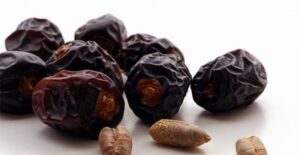
Storage and shelf life factors influence pricing too. Dates require careful storage conditions to prevent spoilage, which can incur additional costs for suppliers. Extended shelf life through proper preservation methods allows suppliers to hold inventory longer and supply demand throughout the year. The investment in such technologies may be reflected in the costs of kurma Malaysia offered to buyers.
In summary, price of kurma in Malaysia is a dynamic figure shaped by multiple interconnected factors. Seasonal demand surges, supply fluctuations from international producers, currency exchange rates, and transportation costs form the backbone of price movements. Quality, packaging, government policies, and consumer behavior add layers of complexity that suppliers must navigate carefully. Understanding these factors equips dates suppliers, wholesalers, and retailers with the knowledge needed to optimize their pricing and inventory management throughout the year.
Outline of key points:
-
Seasonal demand, especially during Ramadan, causes significant price fluctuations.
-
Supply availability depends on harvest yields and agricultural conditions abroad.
-
Currency exchange rates impact import costs and final prices.
-
Transportation and logistics costs contribute to price variability.
-
Quality and variety influence premium pricing for certain kurma types.
-
Packaging and branding add value and affect pricing structures.
-
Government policies and import regulations shape supply chain costs.
-
Economic trends and consumer preferences in Malaysia affect demand and prices.
-
Market competition drives pricing strategies for bulk and specialty sales.
-
Storage and shelf life considerations influence supplier pricing decisions.