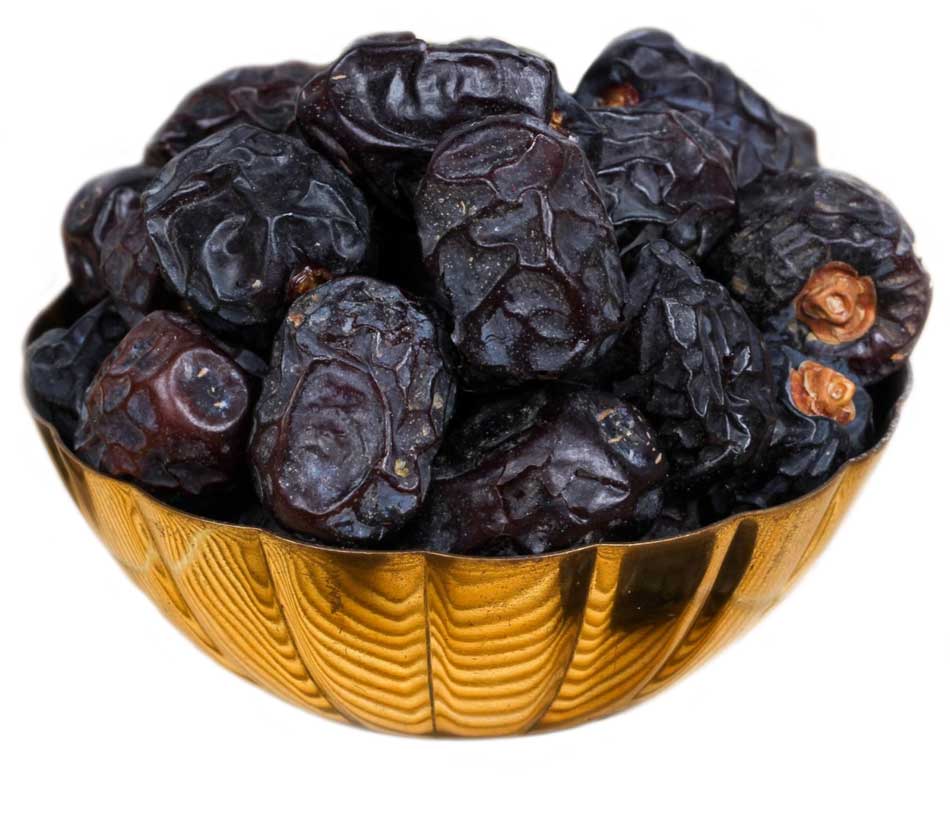
Harga Kurma Malaysia
kurmaajwamalaysia
November 4, 2024
Malaysia is known for its love of dates, particularly during Ramadan, when dates are consumed to break the fast. Ajwa carries a real premium over almost every other variety sold here, and that premium is easy to overpay on if you don’t know what’s actually driving it. Understanding what makes one pemborong kurma Malaysia quote RM60 for a box and another quote RM95 for what looks like the same thing is the difference between paying for quality and paying for packaging.
Grade is the first number that matters, not the price
Ajwa is typically sold as Grade A, AA, or Jumbo, and the jump between grades is real — size, uniformity, and how intact the skin is all change noticeably from one grade to the next. A listing that doesn’t state a grade at all is usually not premium stock; genuine Madinah Ajwa sellers state the grade because it’s the main thing justifying their price.
Harvest season shifts price more than most buyers expect
Freshly harvested Ajwa (current season) commands a real premium over stock carried over from the previous season — the texture is noticeably softer and the skin less wrinkled. Some sellers are upfront about which season their stock is from; many aren’t, so ask directly. A steep discount on Ajwa specifically, more than on other varieties, is often a sign of older stock rather than a genuine deal.
Why Ajwa costs more than Safawi or Medjool to begin with
Part of the price gap is simply supply: Ajwa is grown in a narrower region around Madinah, and Saudi export volumes are smaller than Iran’s Mariami/Piarom output or the wider Medjool-growing regions of Palestine and Jordan. That scarcity holds even before religious and cultural demand from Malaysian buyers pushes the price up further during Ramadan specifically.
Gift box packaging is a separate cost, not a quality signal
A decorated hantaran-style box adds a real cost to the final price — sometimes RM10–20 per unit — that has nothing to do with the dates inside. If you’re buying for daily consumption rather than gifting, ask for the same grade in plain packaging; you’re paying for cardboard and ribbon otherwise, not better Ajwa. For bulk Ajwa purchases, plain packaging is standard anyway since it’s repacked or gifted separately downstream.
Buying borong shifts the price gap the most on Ajwa specifically
Because Ajwa’s retail markup tends to run higher than other varieties (scarcity plus demand), the gap between kedai kurma Malaysia retail pricing and wholesale pricing is usually wider for Ajwa than for, say, Deglet Noor. If you’re buying more than a kilogram or two, it’s worth getting a wholesale quote even if you weren’t planning to buy in bulk — the saving on Ajwa alone can be worth it.
Once you know the grade, the season, and whether you’re paying for packaging, comparing Ajwa dates prices across sellers stops being guesswork. For the fuller cost breakdown across Ajwa, Safawi, and Mabroom together, see this guide to harga kurma Ajwa and wholesale costs. And for how dates pricing more broadly shifts across Malaysian and Middle Eastern markets, that’s covered separately.