For discerning date enthusiasts seeking authentic Ajwa and Medjool varieties, locating halal-certified kedai kurma near me can be challenging yet rewarding. This comprehensive guide reveals proven strategies to identify premium date retailers in your vicinity while ensuring strict halal compliance and superior quality.
Understanding Halal Certification for Date Shops
Genuine halal certification involves more than just selling permissible products. Reputable kedai kurma near me establishments maintain:
-
Official halal accreditation from recognized Islamic authorities
-
Proper handling procedures throughout the supply chain
-
Segregation from non-halal products in storage and display
-
Transparent sourcing of raw materials
-
Staff training in halal protocols
Locating Premium Date Retailers
Digital Search Strategies
Modern technology offers efficient ways to find quality kedai kurma near me:
-
Google Maps searches with “halal certified dates shop” plus your area
-
Food discovery apps filtering for halal specialty stores
-
Islamic business directories listing verified retailers
-
Social media groups for halal food enthusiasts
-
Mosque bulletin boards often feature local halal vendors
Physical Location Indicators
When visiting potential shops, look for:
-
Visible halal certification displayed prominently
-
Clean, organized storage of date varieties
-
Knowledgeable staff about product origins
-
Proper labeling of Ajwa and Medjool as distinct varieties
-
Climate-controlled displays for premium dates
Evaluating Ajwa and Medjool Quality
Premium date varieties should exhibit:
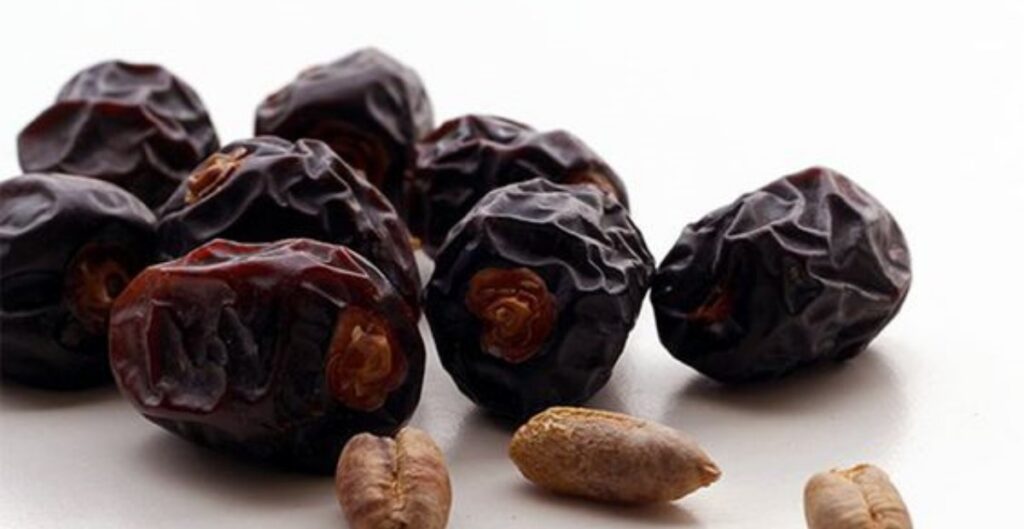
Ajwa Characteristics
-
Deep black color with slight wrinkling
-
Firm yet tender texture
-
Distinctive rich, almost chocolate-like flavor
-
Medium size with visible seed cavity
Medjoul Markers
-
Large, plump appearance
-
Glossy, deep brown skin
-
Soft, almost buttery texture
-
Caramel-like sweetness
Verification Techniques
Ensure authenticity through:
-
Requesting import documentation for Middle Eastern varieties
-
Checking for country of origin labeling
-
Examining batch codes and harvest dates
-
Comparing with known quality benchmarks
-
Seeking shops with direct grower relationships
Seasonal Availability Patterns
Understanding harvest cycles helps locate fresher stock:
-
Ajwa peak season: August-November
-
Medjoul prime availability: September-January
-
Ramadan periods often feature special imports
-
Off-season may require specialty retailers
Pricing Considerations
Premium varieties command higher prices due to:
-
Strict quality grading processes
-
Limited production volumes
-
Import costs for authentic varieties
-
Specialized storage requirements
-
Hand-sorting and selection
Building Relationships with Retailers
Regular customers often gain access to:
-
First selection of new arrivals
-
Advance notice of special shipments
-
Preferred pricing for bulk purchases
-
Custom ordering options
-
Exclusive varieties not widely stocked
Online Alternatives with Local Pickup
Some solutions combine convenience with quality:
-
Halal specialty e-grocers with local depots
-
Online date boutiques offering store pickup
-
Mosque-affiliated cooperatives with online ordering
-
Subscription services with local delivery hubs
Key Takeaways
-
Authentic halal certification requires verification beyond claims
-
Multiple digital tools can locate nearby premium date shops
-
Physical inspection of dates ensures quality standards
-
Understanding seasonal patterns guarantees fresher purchases
-
Retailer relationships provide access to best selections
-
Premium varieties justify higher costs through quality markers
-
Hybrid online-offline models offer convenient alternatives